Heat Transfer Oils
High-performance heat transfer fluids for liquid phase applications in closed, non-pressurized systems. Operating temperatures from -40°F to 620°F with excellent thermal stability and oxidation resistance.
Wide Temperature Range
Operating range from -40°F to 620°F for diverse applications
Thermal Stability
Resists thermal degradation for extended fluid life
Long Service Life
Excellent oxidation resistance reduces maintenance costs
High Flash Points
Enhanced safety with elevated flash and fire points
Petro-Canada
CALFLO Heat Transfer Fluids
CALFLO heat transfer fluids deliver exceptional performance and safety in demanding thermal applications. Formulated with HT purity base oils for outstanding thermal stability, low vapor pressure, and extended fluid life.
CALFLO™ HTF
Premium heat transfer fluid for high-temperature liquid phase systems up to 620°F. Excellent thermal stability and low vapor pressure.
View ProductCALFLO™ AF
Engineered for applications requiring enhanced safety with higher flash and fire points. Ideal for food processing and pharmaceutical industries.
View ProductCALFLO™ LT
Low temperature heat transfer fluid for systems operating down to -40°F. Maintains excellent pumpability in cold conditions.
View ProductPetro-Canada
PETRO-THERM Heat Transfer Fluid
PETRO-THERM is developed for use in non-pressurized, liquid phase, closed heat transfer systems. Provides dependable performance with excellent oxidation stability for extended service intervals.
PETRO-THERM™
Developed for use in non-pressurized, liquid phase, closed heat transfer systems. Provides reliable heat transfer with excellent oxidation stability.
View ProductPetro-Canada
PURITY FG Heat Transfer Fluid
PURITY FG Heat Transfer Fluid is NSF H1 registered for incidental food contact and carries Kosher and Halal certifications. Ideal for food processing applications requiring food-safe thermal fluids.
 NSF H1 Registered
 Kosher Certified
 Halal Certified
PURITY™ FG Heat Transfer Fluid
NSF H1 registered food grade heat transfer fluid for food processing applications where incidental contact may occur. Kosher and Halal certified.
View ProductPetro-Canada
Heat Transfer System Cleaning
Restore thermal efficiency in dirty or carbonized heat transfer systems with CALFLO cleaning and flushing fluids. Proper cleaning removes carbon deposits and contaminants that reduce heat transfer efficiency and system performance.
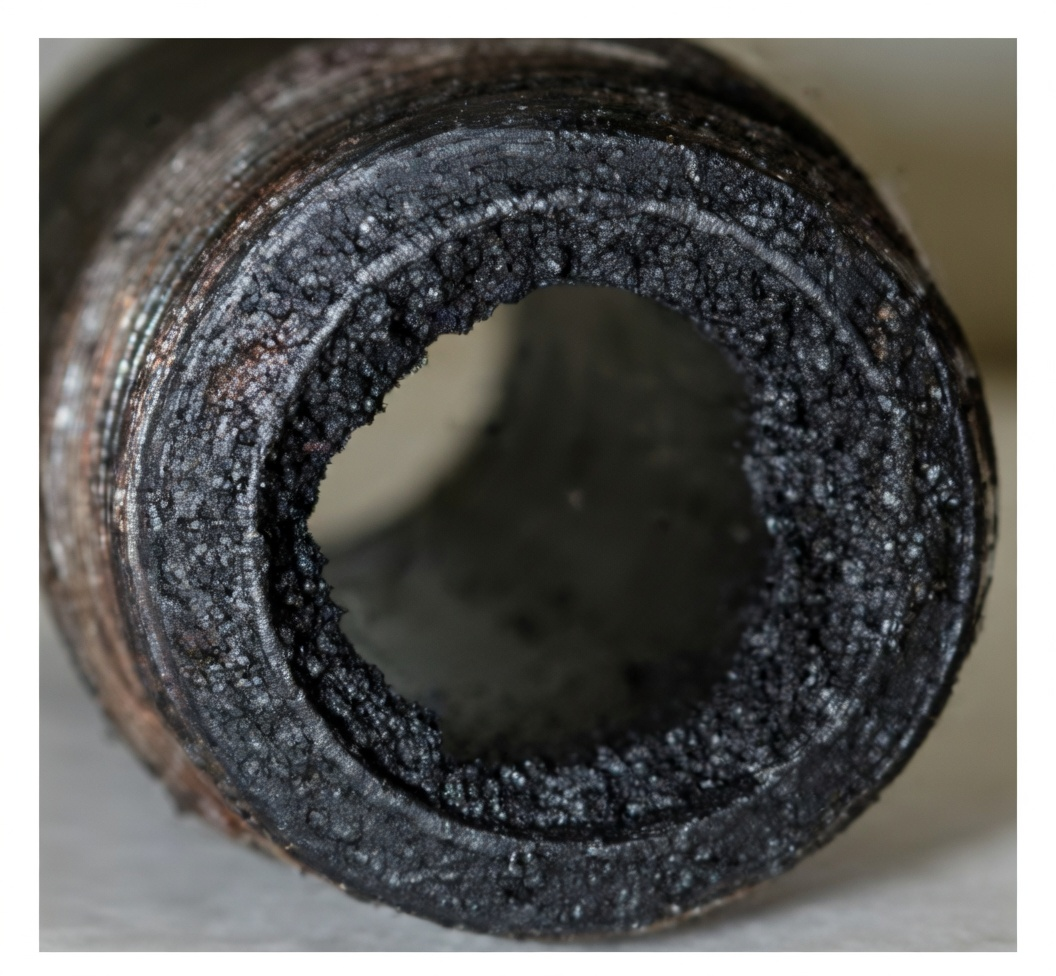
Carbon & Coke Buildup in Your System
Over time, heat transfer fluid degrades and forms carbon deposits that accumulate on pipe walls. This buildup acts as an insulator, drastically reducing heat transfer efficiency and restricting flow.
- Reduces thermal efficiency by up to 30%
- Increases energy costs significantly
- Creates potential fire and safety hazards
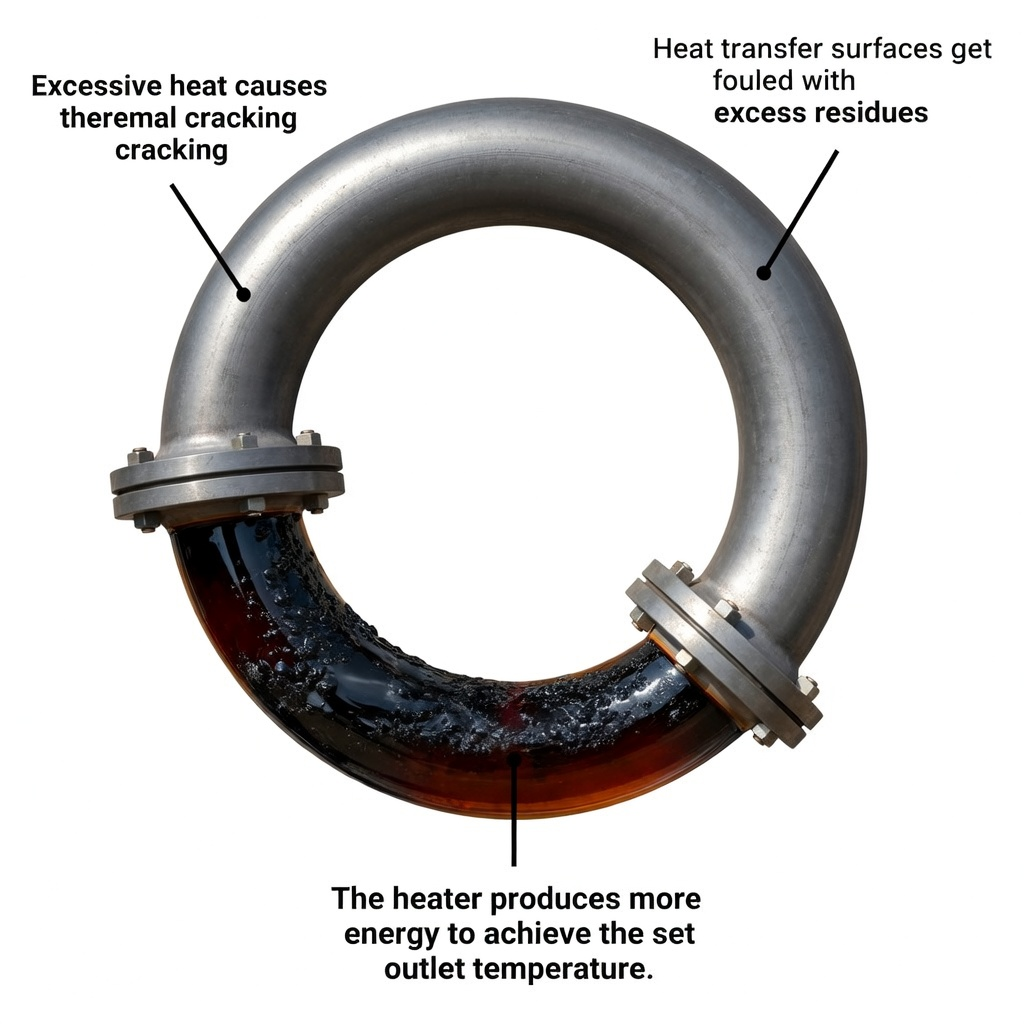
A Self-Reinforcing Cycle of Degradation
Heat transfer fluid degradation creates a vicious cycle that accelerates over time if left untreated. Understanding this cycle is key to preventing costly system failures and maintaining efficiency.
- 1Excessive Heat causes thermal cracking of the fluid, breaking down its molecular structure
- 2Fouling Occurs as degraded fluid deposits carbon residue on heat transfer surfaces
- 3Energy Demand Increases as the heater works harder to achieve target temperatures through fouled surfaces
- 4Cycle Repeats with higher heat exposure causing even more thermal cracking
CALFLO Cleaning Fluid
Effectively cleans dirty or heavily carbonized systems operating on aromatic or mineral-based heat transfer fluids. Helps improve thermal efficiency and restore system performance.
CALFLO Flushing Fluid
Used after cleaning to thoroughly rinse and flush residual cleaning fluid and contaminants from the heat transfer system before refilling with fresh heat transfer fluid.
Technical White Paper
Prolong the Life of Heat Transfer Fluids
Heat transfer systems are designed around the properties of brand-new fluid. As fluid degrades over time, it leads to fouled surfaces, increased energy consumption, decreased efficiency, and potential safety hazards. Understanding and addressing the three main causes of degradation can significantly extend fluid service life.
Thermal Degradation
Occurs when fluid molecules receive more thermal energy than they can absorb, causing bonds to break. Creates low boilers (reducing flash point) and high boilers (carbon deposits that foul heating surfaces). The skin-film temperature at pipe walls is critical - always higher than bulk-oil temperature and the true basis for fluid selection.
Prevention Tips:
- - Use fluids with high thermal stability
- - Vent safely to release volatile low boilers
- - Follow proper start-up/shut-down procedures
- - Maintain pumps and filter continuously
Oxidative Degradation
Occurs when heat transfer fluid reacts with oxygen in the air. The rate of oxidation doubles with every 18°F (10°C) temperature increase. By-products include carboxylic acids, ketones, and aldehydes that cause discoloration, increased viscosity, and sludge formation that adheres to cooler surfaces.
Prevention Tips:
- - Install inert gas (nitrogen) blanketing
- - Select fluids with oxidation inhibitors
- - Partial system replacement every few years
- - Monitor expansion tank conditions
Contamination
Internal process leaks can introduce gases, asphalt, or other materials that alter viscosity and volatility. External contamination from weather, condensation, or inadequate system commissioning is common. Water content above 1,000 ppm causes pump cavitation, accelerated corrosion, and dangerous steam generation in hot systems.
Prevention Tips:
- - Investigate and fix all leaks promptly
- - Flush new systems before first charge
- - Use 180° goose neck pipes on tanks
- - Install and maintain oil filters
Download the Complete White Paper
Get detailed guidance on temperature profiles, maintenance routines, fluid selection criteria, and testing protocols.
Free Heat Transfer Fluid Analysis
Heat transfer fluid degrades over time, leading to fouled surfaces, increased energy costs, decreased productivity, and potential safety hazards. Regular testing helps you maintain optimal system performance and prevent costly downtime.
Safety Risk: Thermal cracking creates low boilers that reduce flash point and can cause auto-ignition
Energy Savings: Carbon buildup requires more energy to heat - monitoring fluid condition saves money
What We Test (ASTM Standards)
Kinematic Viscosity
ASTM D445
Acid Number
ASTM D664
Flash Point
ASTM D92
Simulated Distillation
ASTM D2887
Water Content
ASTM D1744
Metals Content
ASTM D5185
Standard sample can included with analysis kit
Prolong the Useful Life of Heat Transfer Fluids
Learn best practices for maintaining heat transfer fluid performance and extending service life in liquid-phase systems. Download our technical white paper.
Need Help Selecting a Heat Transfer Fluid?
Our technical team can help you select the right heat transfer fluid for your specific application, temperature range, and safety requirements.
Or call us directly at (847) 532-3383